Sitio Web vs Landing Page: ¿Qué Necesita Realmente Tu Negocio?
Muchos dueños de negocios llegan al mismo punto cuando empiezan a mejorar su presencia en internet.
Saben que necesitan algo online para atraer clientes, pero no están seguros de cuál es la mejor opción.
¿Deberían construir un sitio web completo? ¿O una landing page sería suficiente?
Ambas opciones pueden funcionar. Pero cada una cumple un propósito diferente.
Entender la diferencia puede ayudarte a elegir la estrategia correcta y evitar gastar tiempo y dinero en algo que no se ajusta a tus objetivos.
Qué significa esta decisión para tu negocio (no para diseñadores)
La mayoría de los negocios no tiene un “problema de sitio”.
Tiene un problema de desajuste de conversión:
- estás enviando tráfico al tipo de página equivocada, o
- le pides demasiado al visitante antes de que entienda tu oferta, o
- no tienes una página que acompañe cada etapa del proceso de compra.
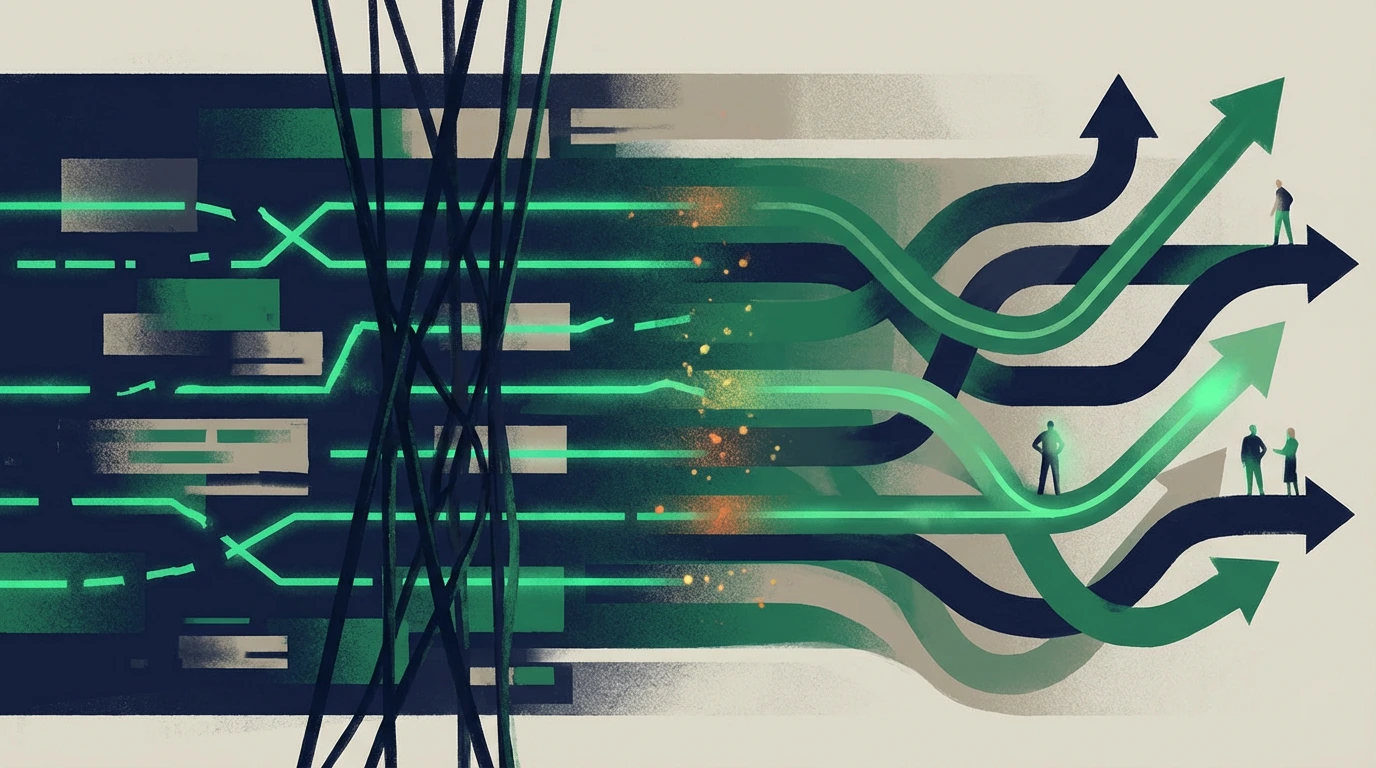
El objetivo no es elegir “sitio web” vs “landing page”. El objetivo es construir un camino que convierta tu tráfico en llamadas, formularios y consultas agendadas.
El marco de decisión: web vs landing page
Usa esta lógica para decidir qué construir primero:
- Elige una landing page si tu meta principal es una oferta específica y necesitas un siguiente paso enfocado (cotizar, agendar, descargar).
- Elige un sitio web completo si tu meta principal es confianza a largo plazo + cobertura SEO para varias soluciones, páginas y dudas del comprador.
- Usa ambos si quieres autoridad y SEO desde tu sitio, y luego convertir tráfico de alta intención con landing pages para campañas.
Si no estás seguro qué hacer primero, empieza revisando tu ruta de conversión con el Website Analyzer y ajusta tu probabilidad de clic con el Meta Analyzer.
Qué es un Sitio Web
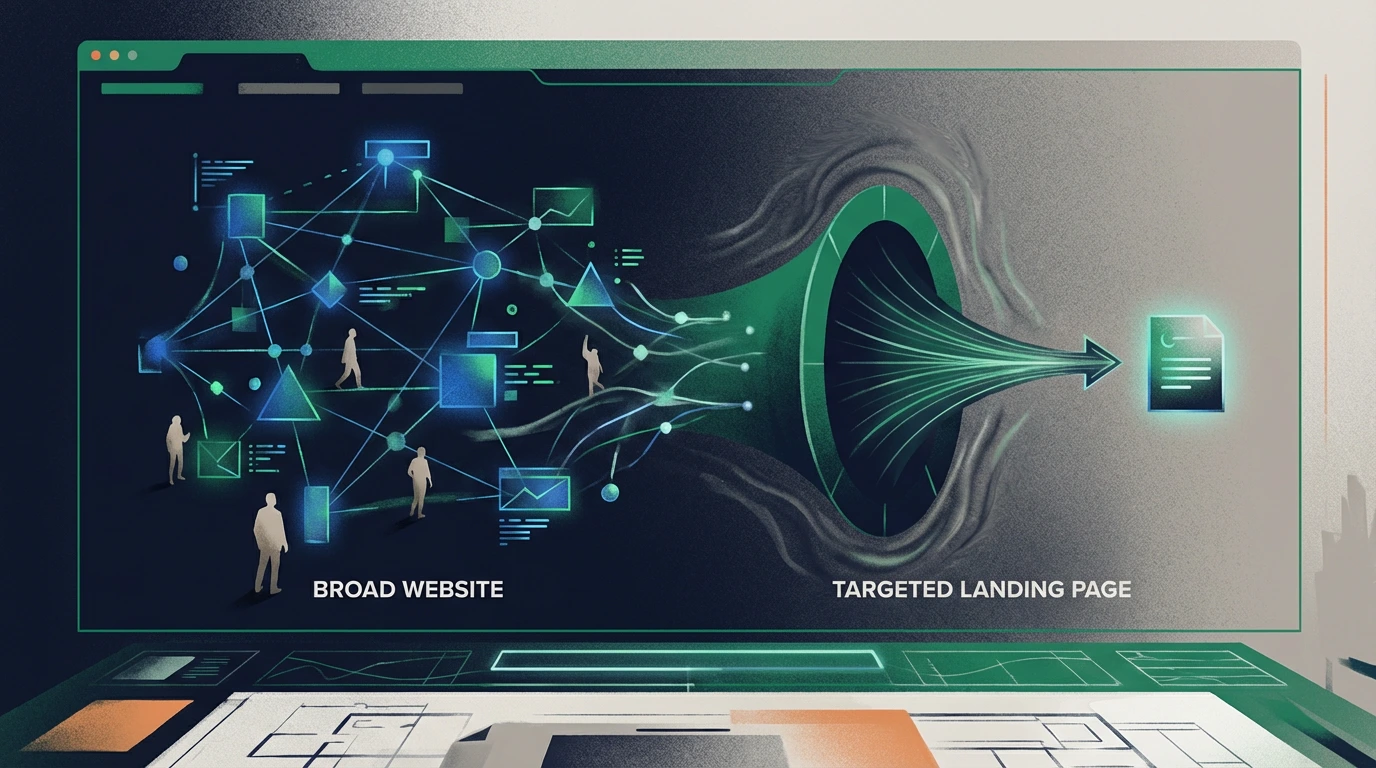
Un sitio web es un conjunto de múltiples páginas que presentan información sobre un negocio.
La mayoría de los sitios web empresariales incluyen secciones como:
- Página de inicio
- Páginas de servicios
- Página sobre la empresa
- Información de contacto
- Blog o recursos
El objetivo de un sitio web suele ser más amplio que generar un solo lead.
Ayuda a los visitantes a entender quién eres, qué ofreces y por qué deberían confiar en tu negocio.
Un buen sitio web funciona como un centro principal donde los posibles clientes pueden explorar tus servicios y conocer mejor tu empresa.
Qué es una Landing Page
Una landing page es muy diferente.
En lugar de múltiples páginas, una landing page es una sola página diseñada para un objetivo específico.
Ese objetivo normalmente es una conversión.
Por ejemplo:
- Solicitar una cotización
- Reservar una consulta
- Registrarse a un servicio
- Descargar un recurso
Las landing pages eliminan la mayoría de las distracciones y se enfocan completamente en guiar al visitante hacia una sola acción.
Gracias a ese enfoque, muchas veces convierten visitantes en clientes a una tasa más alta que las páginas tradicionales.
La razón real por la que convierten las landing pages
Una landing page elimina la ambigüedad.
En vez de preguntarle al visitante “¿qué debo hacer aquí?”, le responde:
- qué es la oferta
- para quién es
- por qué tú (prueba)
- qué pasa después (CTA)
Si quieres una landing page realmente enfocada en leads, usa el Landing Page Best Practices como punto de partida.
Cuándo Tiene Sentido Usar una Landing Page
Las landing pages son especialmente útiles cuando tu negocio está ejecutando una campaña específica.
Por ejemplo:
Publicidad Pagada
Si estás utilizando Google Ads o anuncios en redes sociales, enviar a los visitantes a una landing page suele funcionar mejor que enviarlos a la página principal.
La landing page puede coincidir exactamente con el mensaje del anuncio y guiar a los visitantes hacia la acción que deseas.
Probar un Nuevo Servicio
Si estás lanzando un nuevo servicio o entrando en un nuevo mercado, una landing page puede ayudarte a probar la demanda rápidamente.
En lugar de construir toda una sección en tu sitio web, puedes crear una página enfocada y medir cuántas personas responden.
Generación de Leads Locales
Algunos negocios locales crean landing pages enfocadas en ubicaciones o servicios específicos.
Por ejemplo:
- Reparación HVAC en Phoenix
- Reemplazo de techos en Dallas
- Alquiler de botes en Miami
Estas páginas pueden apuntar a búsquedas muy específicas y convertir visitantes en leads.
Si estás pensando en landing pages locales, asegúrate de que tu mensaje coincida con la intención de búsqueda y construya confianza. Un buen punto de partida es Website Messaging Strategy para que tu titular y secciones no se sientan genéricos.
Cuándo un Sitio Web Completo es la Mejor Opción
Aunque las landing pages son muy poderosas, la mayoría de los negocios establecidos eventualmente necesitan un sitio web completo.
Un sitio web permite construir credibilidad y presentar una visión más amplia de tu empresa.
Esto es especialmente importante para negocios de servicios donde la confianza juega un papel clave en la decisión del cliente.
Construir Confianza a Largo Plazo
Los posibles clientes suelen querer aprender más sobre una empresa antes de contactarla.
Pueden querer ver:
- tu experiencia
- ejemplos de tu trabajo
- testimonios de clientes
- detalles sobre tu proceso
Un sitio web completo facilita presentar toda esta información.
Mejorar el SEO
Los motores de búsqueda tienden a favorecer sitios web que ofrecen contenido útil en múltiples páginas.
Las páginas de servicios, guías y artículos ayudan a atraer visitantes que están investigando sus problemas.
Con el tiempo, esto puede generar tráfico orgánico constante.
Las landing pages también pueden posicionarse, pero los sitios web normalmente ofrecen más oportunidades para crecer en visibilidad.
Atender Diferentes Tipos de Visitantes
No todos los visitantes llegan a tu sitio listos para contactarte de inmediato.
Algunos apenas están comenzando su investigación.
Otros están comparando diferentes proveedores.
Un sitio web permite que esos visitantes exploren y aprendan más hasta que se sientan seguros de tomar una decisión.
Por Qué Muchos Negocios Usan Ambos
En la práctica, muchos negocios exitosos combinan ambos enfoques.
Su sitio web sirve como la base principal.
Explica sus servicios, construye credibilidad y atrae tráfico orgánico.
Las landing pages se utilizan para campañas u ofertas específicas.
Por ejemplo, un negocio puede:
- dirigir anuncios hacia una landing page enfocada
- publicar artículos útiles en su sitio web principal
- crear páginas de servicios optimizadas para buscadores
Cada elemento apoya una etapa diferente del recorrido del cliente.
Esta combinación suele producir los mejores resultados.
Checklist rápido: cuándo construir una landing page (y cuándo no)
Responde estas preguntas sí/no:
- ¿Tienes una oferta principal con un solo CTA principal?
- ¿Puedes explicar el valor de la oferta en una frase (arriba del fold)?
- ¿Ya tienes prueba lista (testimonios, ejemplos, proceso)?
- ¿Estás llevando tráfico desde anuncios, email o una intención de búsqueda que coincide con esa oferta?
- ¿El visitante sabe qué hacer en menos de 10 segundos?
Si puedes decir “sí” a la mayoría, una landing page es el movimiento correcto. Si no, normalmente conviene empezar arreglando el mensaje y la estructura primero (como en High-Converting Website Structure).
Elegir la Estrategia Correcta para Tu Negocio
La elección correcta depende principalmente de tus objetivos.
Si tu objetivo es probar una nueva oferta o ejecutar una campaña específica, una landing page puede ser suficiente.
Si tu objetivo es construir credibilidad a largo plazo, mejorar tu visibilidad en buscadores y crear una base sólida para crecer, un sitio web completo suele ser la mejor inversión.
Muchos negocios empiezan con uno y luego expanden al otro con el tiempo.
La clave es asegurarte de que la estructura coincida con la forma en que tus clientes potenciales buscan información, investigan y toman decisiones.
Conclusión
Un sitio web y una landing page no son herramientas que compiten entre sí.
Simplemente cumplen funciones diferentes.
Una landing page se enfoca en una sola acción y puede generar leads rápidamente.
Un sitio web construye confianza, visibilidad y presencia a largo plazo en internet.
Cuando se usan estratégicamente, ambos pueden trabajar juntos para ayudar a tu negocio a atraer más visitantes y convertirlos en clientes reales.
Qué hacer ahora
Si quieres más leads sin adivinar, no empieces por rediseñar. Empieza por elegir la página correcta para la intención correcta:
- Si tu campaña tiene una oferta única, crea primero la landing page y luego aplica el checklist de 7 Secretos de Páginas de Aterrizaje que Convierten 3x Más Visitantes para quitar fricción.
- Si no sabes qué corregir, usa el Website Analyzer para ver dónde se caen los usuarios y alinea tu estructura con High-Converting Website Structure.
- Si te falta CTR (gente ve tu resultado pero no hace clic), mejora tus snippets con el Meta Analyzer y revisa tu targeting con el Keyword Generator.
- Si tu landing page no comunica bien el mensaje, vuelve a Website Messaging Strategy antes de tocar diseño.
Si el tipo de página está bien elegido pero los leads siguen bajos, revisa Por Qué tu Sitio Web No Está Generando Clientes Potenciales (y Cómo Solucionarlo) y valida el impacto con Medir el ROI de tu Sitio Web: Cómo Demostrar que tu Sitio Genera Valor.